Data Centre CFD Modelling Using ANSYS Fluent
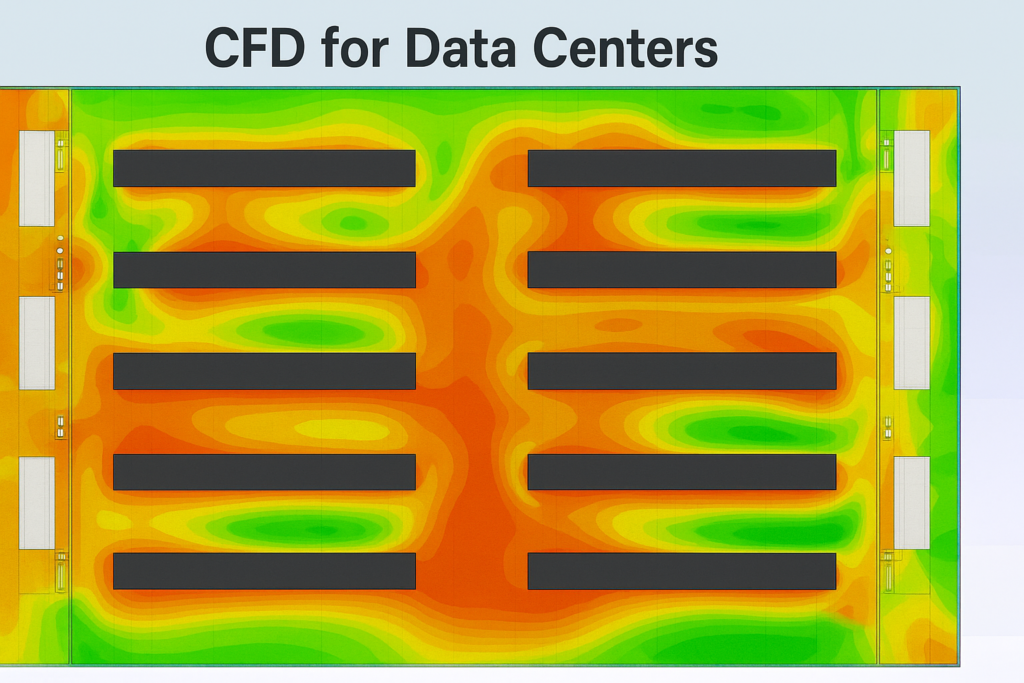
Why CFD Is Critical for Data Centres in the UAE The rapid growth of cloud computing, AI workloads, and high-performance data centres in the UAE has significantly increased rack densities and cooling demands. At the same time, operators face growing pressure to improve energy efficiency, sustainability, and uptime. HVAC systems typically account for a large […]
Thermal Comfort Analysis Using ANSYS Fluent: Enhancing HVAC Performance in the Middle East
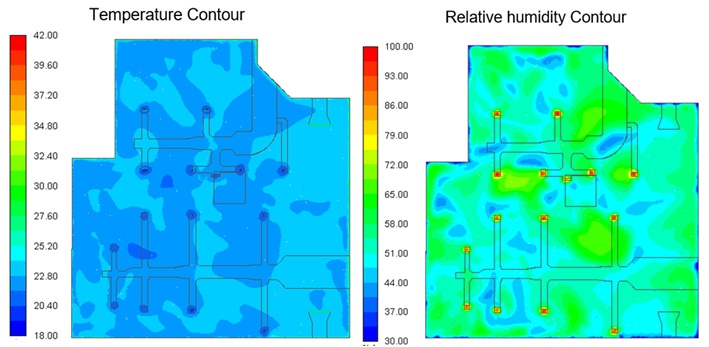
In the Middle East, where summer temperatures frequently exceed 45°C, achieving effective indoor thermal comfort is not just a design requirement—it is a business necessity. Efficient HVAC performance directly influences occupant wellbeing, energy consumption, and operational costs across commercial buildings, malls, airports, hotels, and residential developments. As advanced engineering tools become essential for optimising HVAC […]
Why Fire Engineering Consultancy is Critical for Building Safety in UAE, Qatar and KSA
Introduction With the rapid urban expansion of the Gulf region, building safety is more critical than ever. Prescriptive codes alone cannot address the unique architectural forms and mixed-use developments emerging in cities like Dubai, Doha, and Riyadh. Fire engineering consultancy bridges the gap between code requirements and innovative design by applying performance-based methods. Role of […]
Egress and Evacuation Modelling with Pathfinder: Predicting Safe Exits During Fire Events
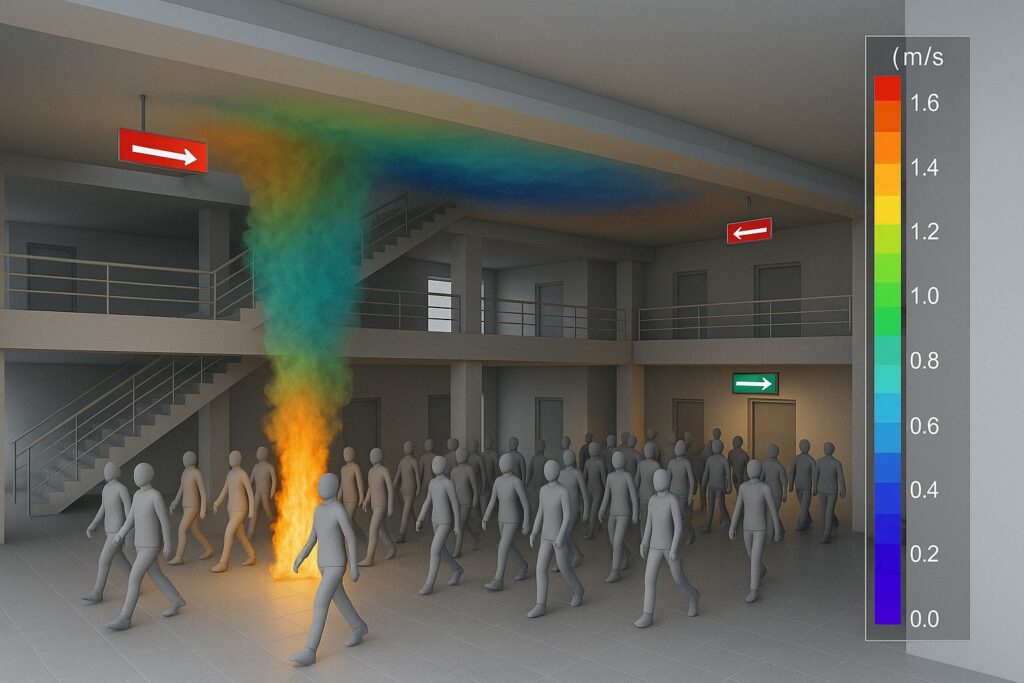
Introduction In fire emergencies, seconds can make the difference between safety and disaster. Egress and evacuation modelling helps engineers predict how people move and exit during emergencies. Pathfinder, a leading evacuation-modelling software, enables detailed simulation of occupant movement under realistic conditions, providing critical insights for performance-based fire design. Why Evacuation Modelling is Essential Traditional occupant-load […]
Fire and Smoke Modelling with FDS and PyroSim: How Engineers Ensure Safety and Compliance
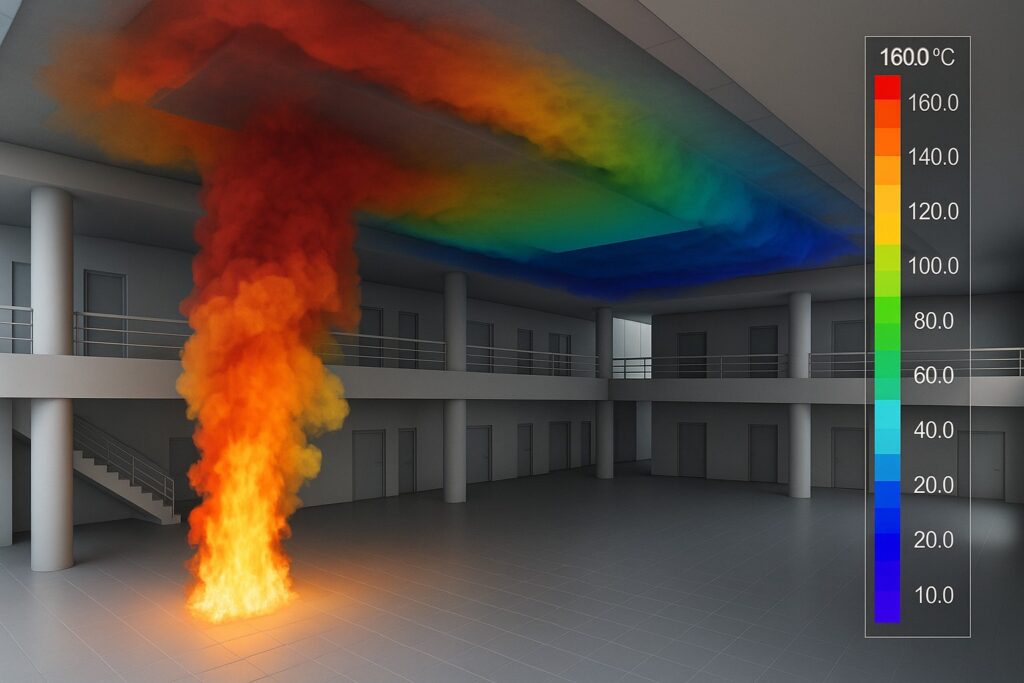
Introduction Fire and smoke behaviour inside buildings are complex, governed by heat transfer, buoyancy, and ventilation dynamics. Traditional prescriptive approaches often fail to capture these interactions. Fire Dynamics Simulator (FDS) and PyroSim have revolutionised performance-based fire engineering by allowing engineers to simulate real-life fire scenarios in 3D. This article examines how fire modelling, FDS, and […]
Using Thermal Comfort CFD Analysis to Improve Indoor Environments in UAE and KSA
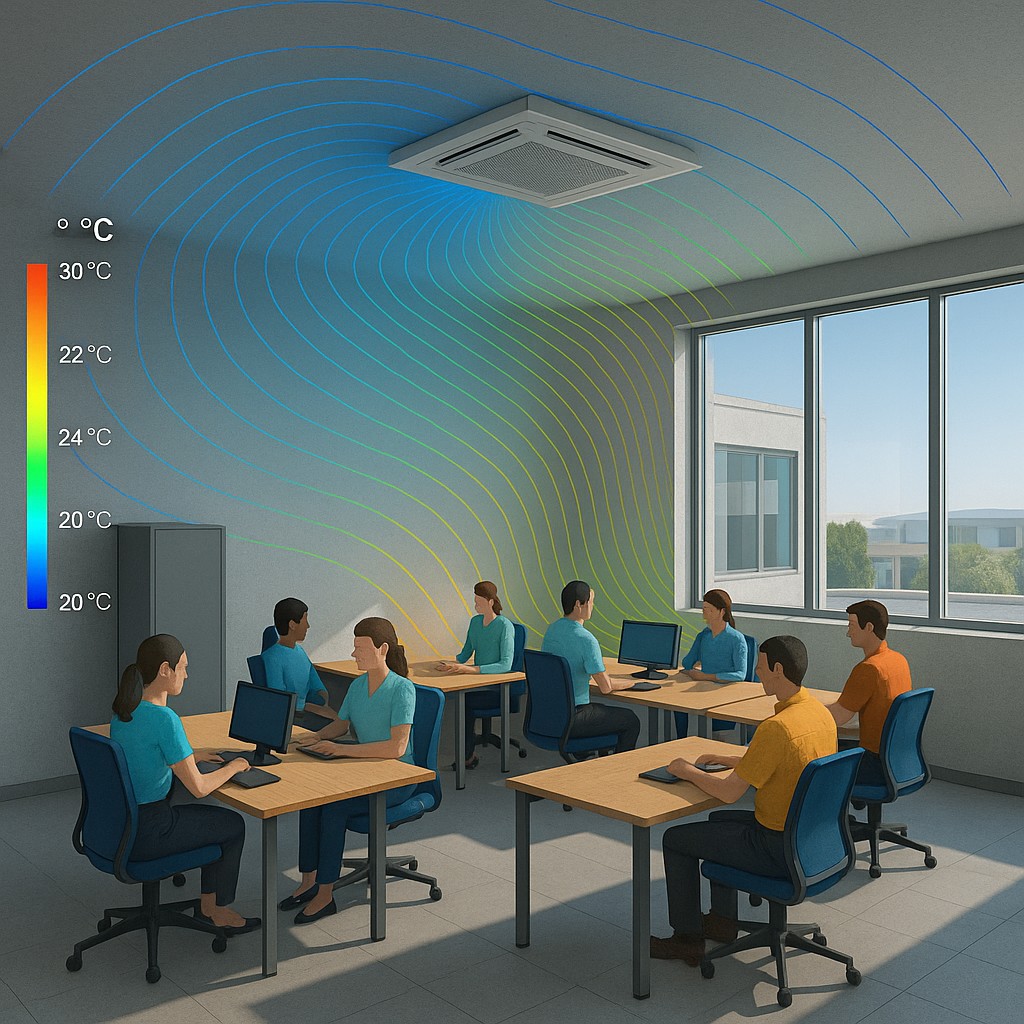
Introduction Occupant comfort is central to modern building design. In the Middle East, where air-conditioning is a year-round necessity, achieving thermal balance within interior spaces is both an art and a science. Thermal comfort analysis using CFD allows designers to evaluate indoor air distribution, temperature gradients, and occupant experience before installation. This blog explores how […]
How CFD Analysis Optimises Chiller Yard and Cooling Tower Performance in the Middle East
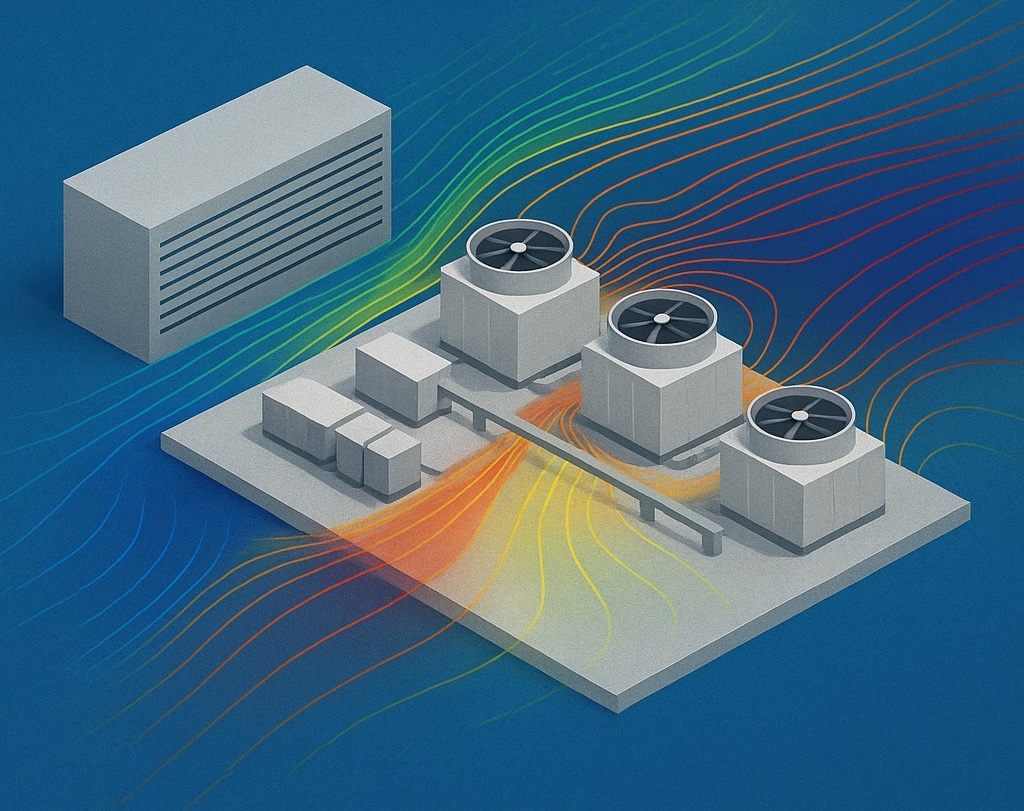
Introduction In the Middle East’s extreme climate, efficient cooling is the backbone of building performance. With ambient temperatures regularly exceeding 45 °C and humidity levels straining HVAC systems, poorly designed chiller yards and cooling towers can lead to energy waste, recirculation, and reduced plant efficiency. Computational Fluid Dynamics (CFD) provides a powerful way to visualise […]
Chiller Yard CFD Analysis: Optimising Performance in Hot Climates
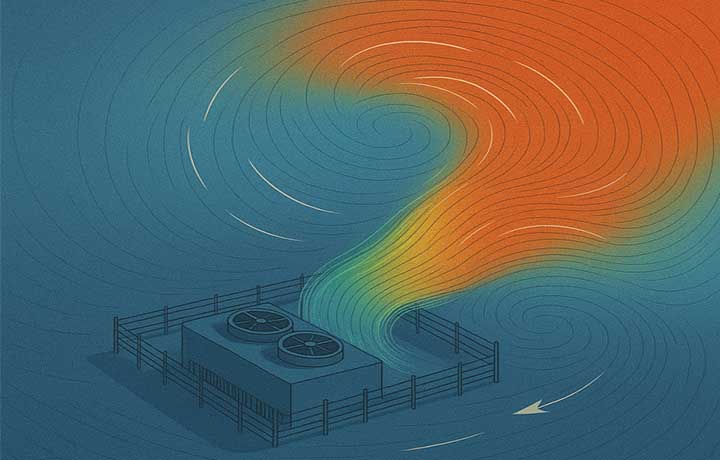
Chiller yards play an important role in cooling systems for commercial and industrial, especially in the Middle East, where ambient temperatures can be extreme particularly during summer periods. In the built environments, multiple air-cooled chillers often operate in close proximity, making them prone to airflow inefficiencies that can adversely affect cooling performance.
Metro Station Evacuation: Optimising Passenger Safety Through Simulation
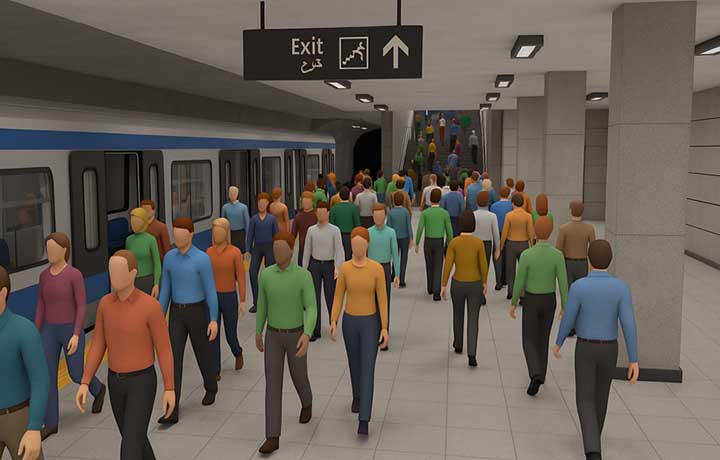
Metro stations are critical components of urban mobility not just in the middle east, but around the world. With high passenger volumes, underground platforms, and interconnected concourses, these facilities demand robust fire safety strategies. One of the most important tools in designing and validating these strategies is evacuation modelling using tools like Pathfinder.
Hospital Evacuation Modelling: Enhancing Patient Safety Through Simulation
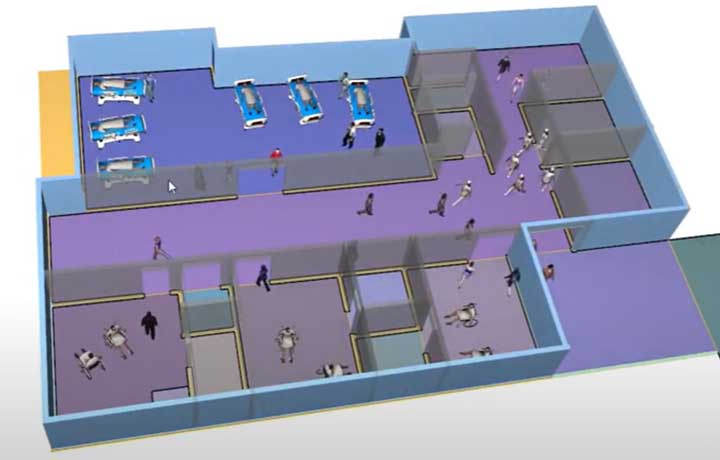
Hospitals present some of the most complex and sensitive environments when it comes to emergency evacuation planning. Unlike commercial or transport buildings, hospitals accommodate vulnerable patients with limited mobility, staff under pressure, and critical care areas with life-sustaining equipment. In such settings, traditional evacuation assumptions do not apply. That’s why evacuation modelling using Pathfinder has become a crucial tool in designing safe, effective, and compliant emergency response plans for healthcare facilities.