Chiller Yard CFD Analysis: Optimising Performance in Hot Climates
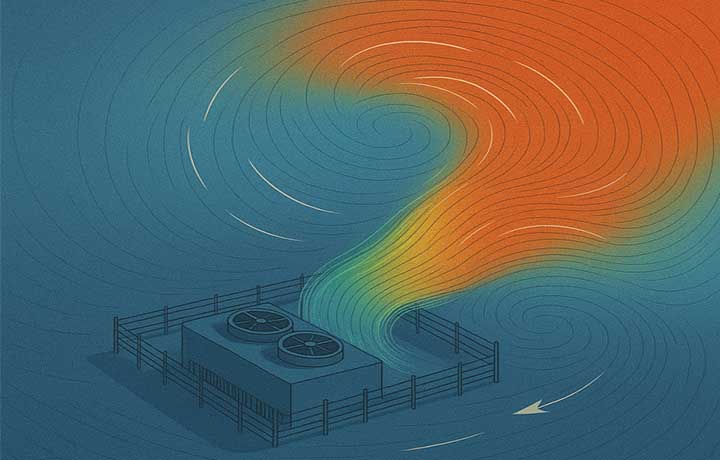
Chiller yards play an important role in cooling systems for commercial and industrial, especially in the Middle East, where ambient temperatures can be extreme particularly during summer periods. In the built environments, multiple air-cooled chillers often operate in close proximity, making them prone to airflow inefficiencies that can adversely affect cooling performance.
Metro Station Evacuation: Optimising Passenger Safety Through Simulation
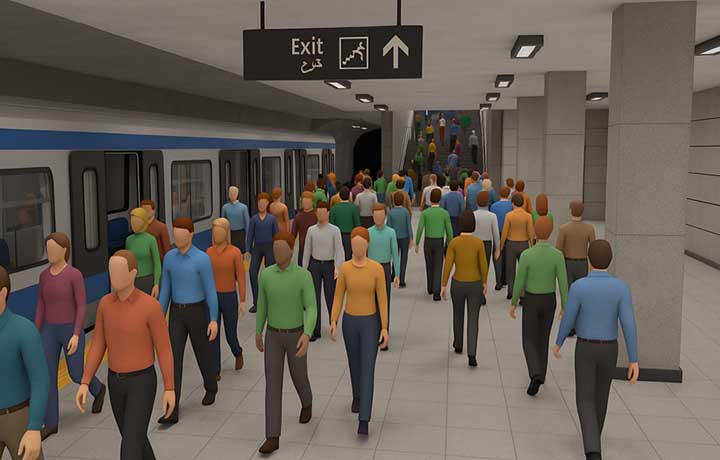
Metro stations are critical components of urban mobility not just in the middle east, but around the world. With high passenger volumes, underground platforms, and interconnected concourses, these facilities demand robust fire safety strategies. One of the most important tools in designing and validating these strategies is evacuation modelling using tools like Pathfinder.
Hospital Evacuation Modelling: Enhancing Patient Safety Through Simulation
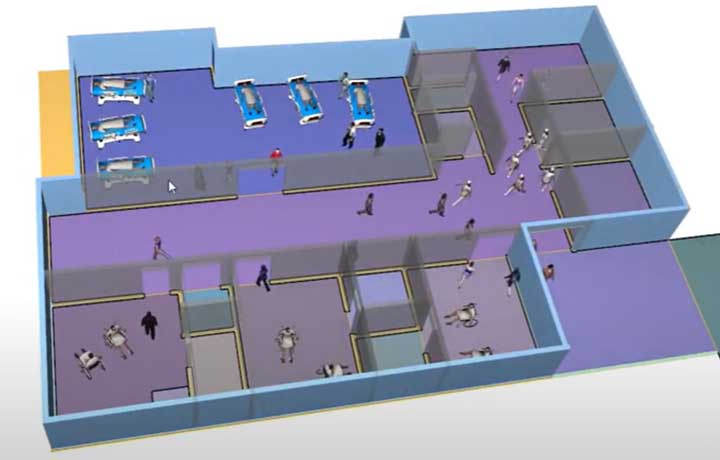
Hospitals present some of the most complex and sensitive environments when it comes to emergency evacuation planning. Unlike commercial or transport buildings, hospitals accommodate vulnerable patients with limited mobility, staff under pressure, and critical care areas with life-sustaining equipment. In such settings, traditional evacuation assumptions do not apply. That’s why evacuation modelling using Pathfinder has become a crucial tool in designing safe, effective, and compliant emergency response plans for healthcare facilities.
Evacuation Modelling: Key Parameters for Performance-Based Egress Design
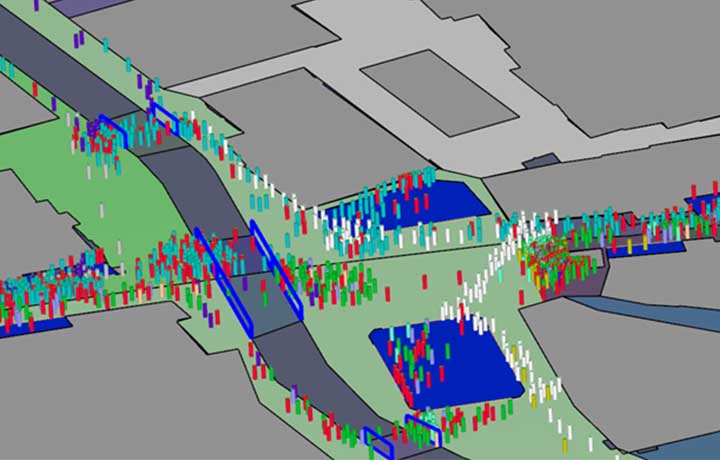
At LAVA Consultants, evacuation modelling is a vital component of our performance-based fire engineering services. Using advanced tools like Pathfinder, we simulate occupant movement and evaluate whether building layouts and egress provisions comply with safety objectives under fire scenarios. This article outlines the essential parameters that govern evacuation modelling and help ensure realistic, code-aligned results.
Fire Modelling Parameters: Best Practice Guide for Performance-Based Fire Safety Design
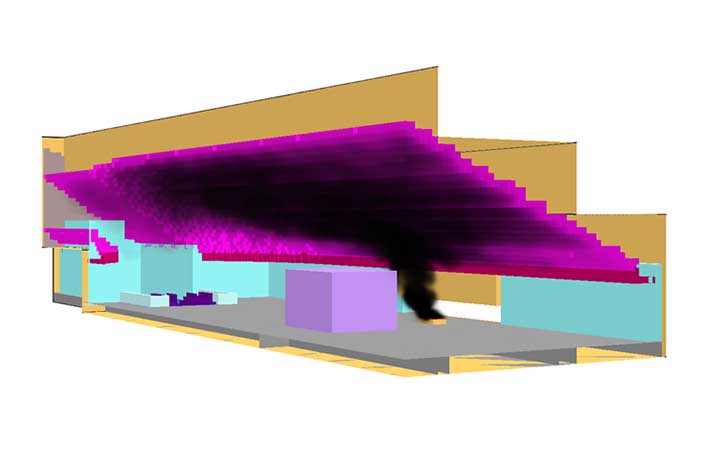
At LAVA Consultants, we specialise in delivering advanced performance-based fire safety solutions across the UAE, the GCC and in Australia. Central to our services is Computational Fluid Dynamics (CFD) fire modelling using FDS (Fire Dynamics Simulator) and Pyrosim. These powerful tools enable us to simulate smoke movement, heat transfer, and visibility in complex buildings, supporting design optimisation and code compliance. This article outlines the critical parameters and best practices that guide effective fire modelling.
Tunnel Fire Modelling: Enhancing Safety Through CFD Fire Simulations
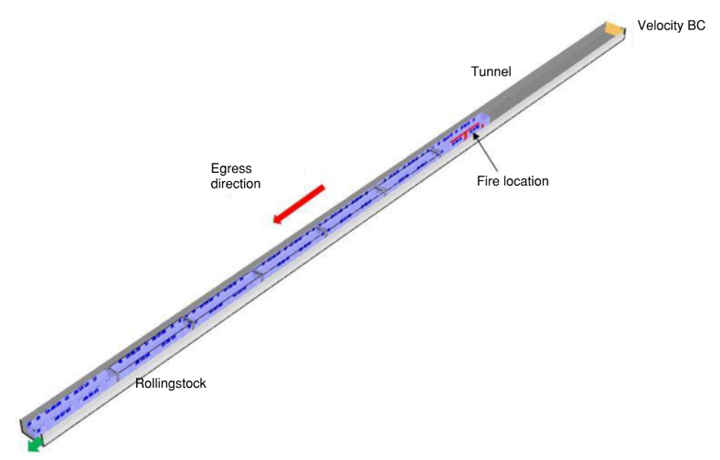
Tunnels used for roadways, metro systems, or utility corridors are essential to modern infrastructure, especially in rapidly urbanising cities across the Middle East and around the world. However, these confined environments present significant fire safety challenges. In the event of a fire, restricted ventilation and the presence of high fuel loads such as vehicles, flammable cargo, or large numbers of passengers can lead to rapid fire development and extensive smoke spread. This poses serious risks to life safety and complicates emergency response operations.
Understanding the Role of Toxic Gases in Fire Safety Engineering
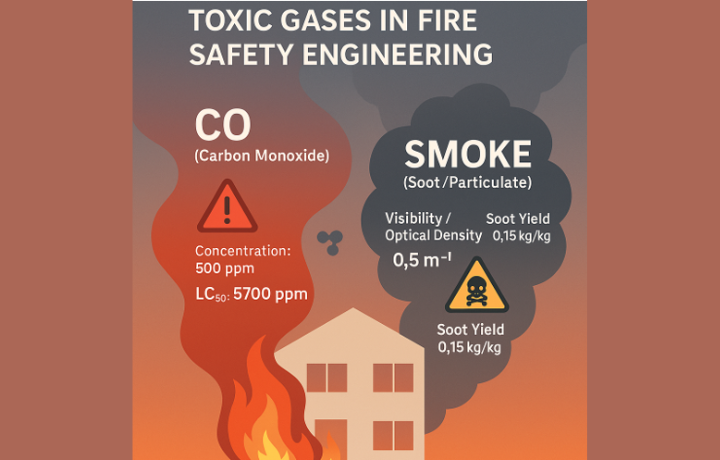
In fire safety engineering, it is essential to recognise that while low visibility due to smoke does not directly cause fatalities, it greatly impairs occupants’ ability to evacuate quickly. The resulting delay in egress increases exposure to toxic combustion products—the leading cause of fire-related deaths. At Lava Consultants, we incorporate CFD fire simulations using Fire Dynamics Simulator (FDS) to analyse toxic gas concentrations and evacuation safety.
ASET vs RSET in Fire Safety
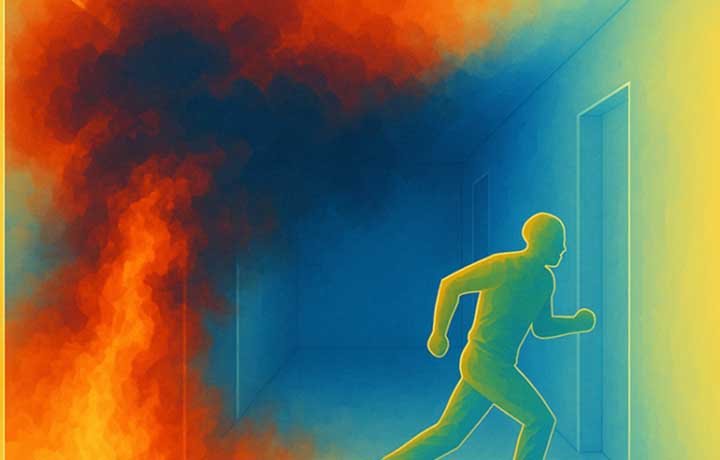
In performance-based fire engineering, ASET (Available Safe Egress Time) and RSET (Required Safe Egress Time) are two critical metrics that determine whether occupants can evacuate safely during a fire emergency. Understanding and applying the relationship between ASET and RSET is essential for fire safety engineers developing performance solutions.
Using Fire and Smoke Modelling to Design Safer Buildings in the Middle East
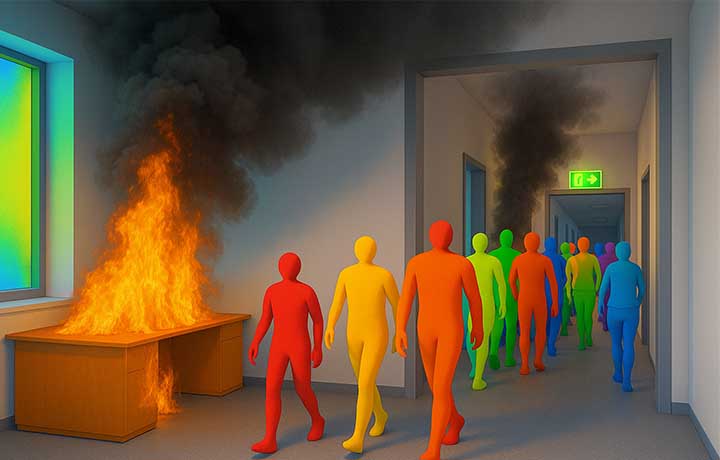
LAVA Consultants uses CFD fire and smoke modelling to design safer buildings in the Middle East. From skyscrapers to stadiums, we simulate fire behavior, plan evacuations with Pathfinder, and optimise ventilation—ensuring safety, compliance, and faster emergency response.
Enhancing Car Park Safety with CFD Fire and Smoke Modelling
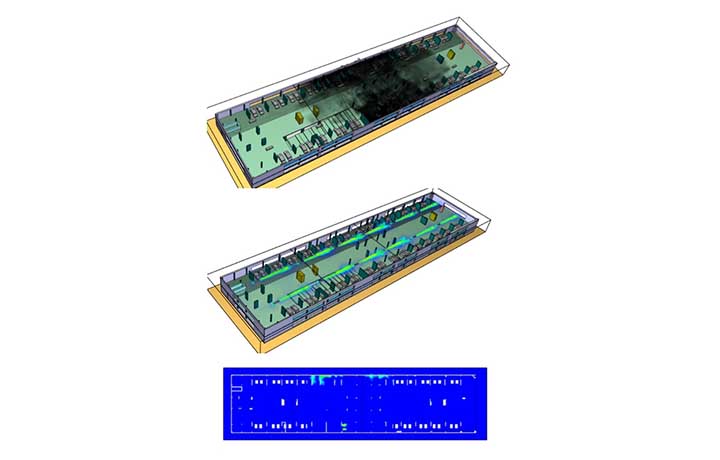
LAVA’s CFD modelling helps assess complex car park fire scenarios by simulating smoke and heat movement, validating ventilation design, and ensuring compliance with NFPA tenability criteria for visibility, temperature, CO levels, and air velocity—supporting safe evacuation and firefighter access.